Binary Stars:
Embodied AI - separating the signal from the hype
For this fifth edition, we take on the hottest topic in AI: Physical AI. Where is the state of the art in robotics, really? Three talks, four builders and researchers, and what works outside the demo: from foundation models to warehouses to the sky.

Our speakers for the 4th of December.
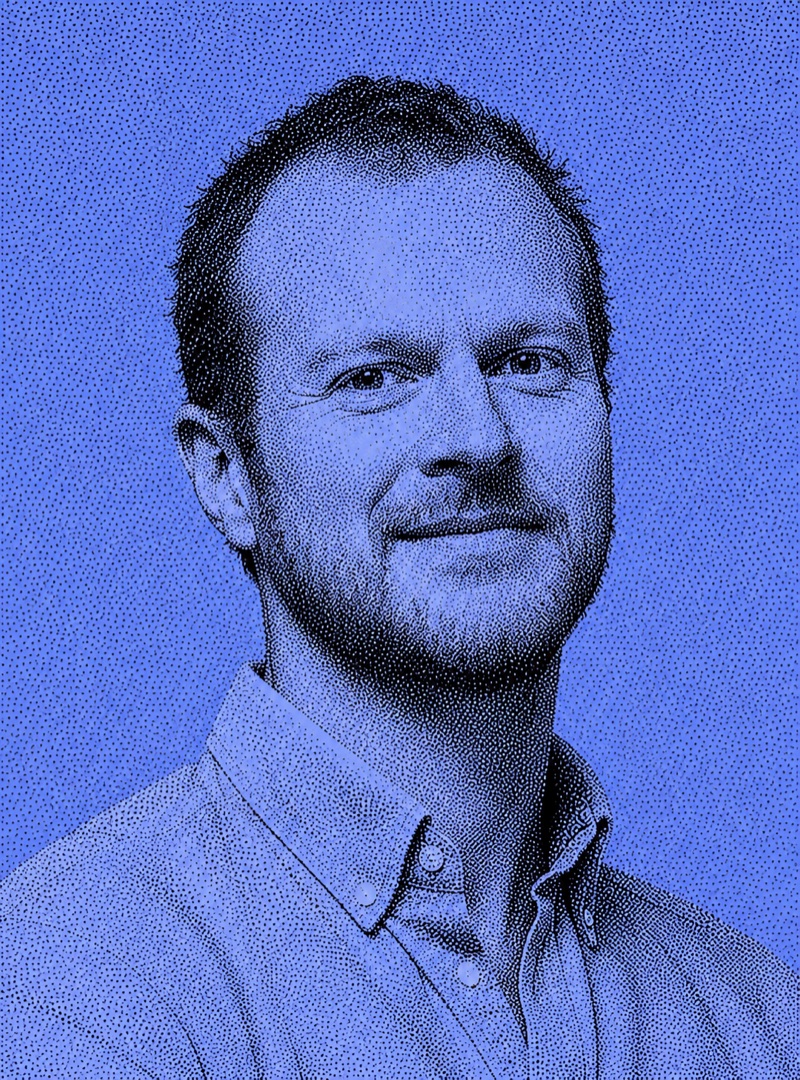
Justin Carpentier
The researcher a large part of the robotics world builds on. Research Director at Inria and head of the Willow team (Inria, ENS, CNRS), he created Pinocchio, the open-source rigid-body dynamics engine that powers humanoids, quadrupeds and manipulators in labs and companies worldwide, and the ProxSuite and Aligator solvers behind them. ERC grantee with ARTIFACT, he is pushing physical AI: robots that reason about and act in the real world.
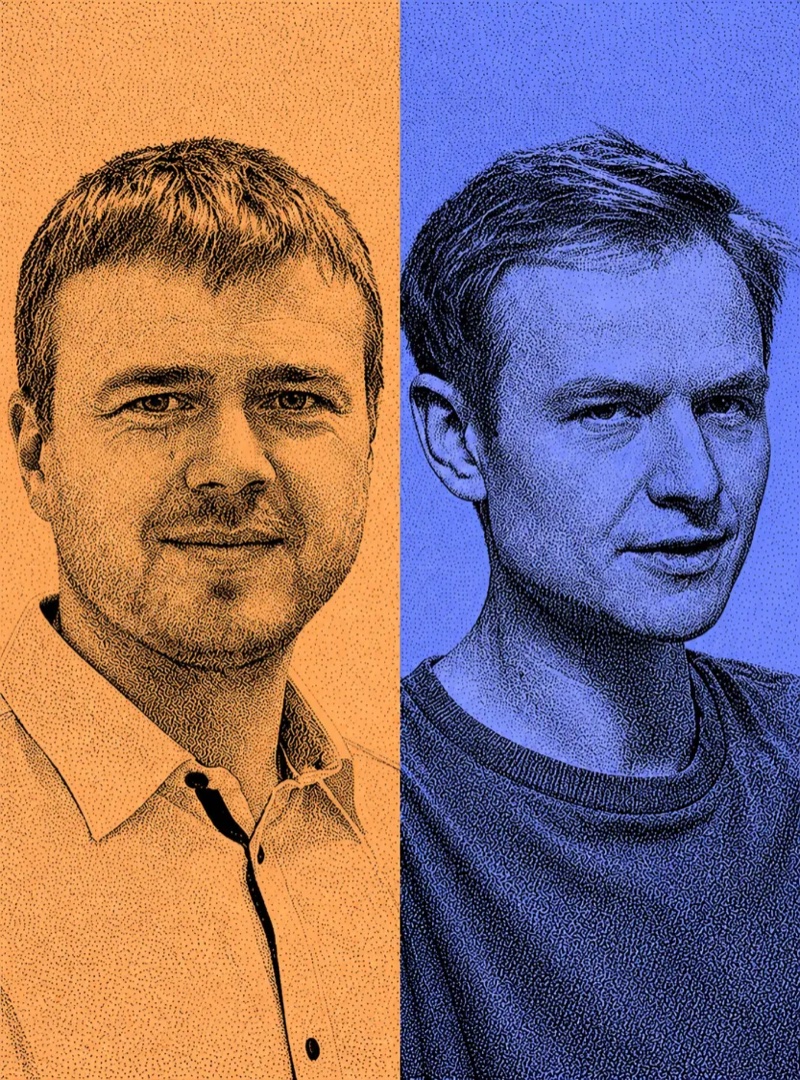
Nicolas Texier & Paweł Budzianowski
Two ways to build a robot's brain. The agentic stack, in the spirit of the SayCan paper: a language model plans and calls a toolbox of perception and control skills. Or an end-to-end vision-language-action model that maps pixels straight to motion. Paweł (ex K-Scale Labs and PolyAI, PhD Cambridge) argues for the VLA, Nicolas (11 years at Parrot, up to Deputy CTO) for the agentic stack. Both have robots working at customer sites today, both approaches have merits; the debate is where each one wins.
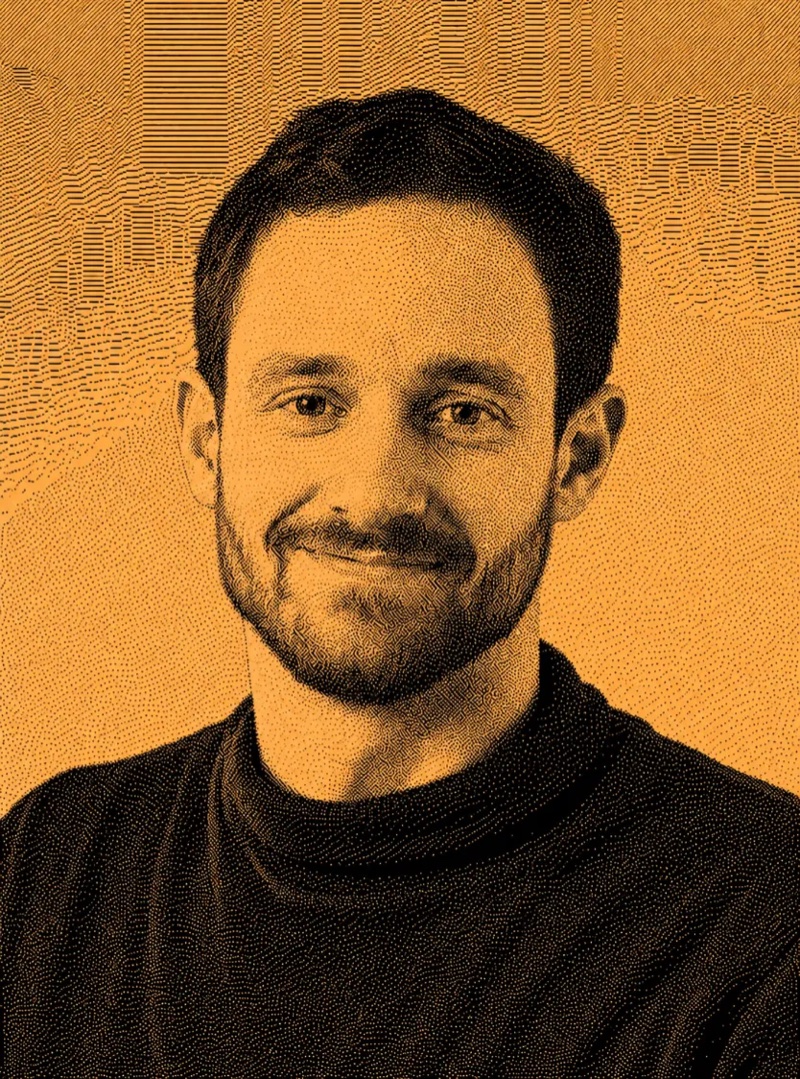
Martin de Gourcuff
Co-founder and CTO of Harmattan AI, the French defence unicorn building low-cost, high-volume autonomous drones and the AI that flies them, backed by a $200M Series B led by Dassault Aviation in January 2026. Previously in machine learning and control at Withings and Parrot, and a Mines Paris alumnus. He covers autonomy at scale: in the air, in swarms, and under real-world constraints.



 Mistral AI




 Dataiku